
Between lectures, deadlines, part-time shifts, and a social life that refuses to pause, finding time to take care of yourself can feel impossible. But healthy habits don’t require a perfect routine or a complete lifestyle overhaul. Small, repeatable actions – done consistently – make a bigger difference than any dramatic reset. This article covers the four habit areas that matter most for students: sleep, food and hydration, movement and mental health, and the time systems that help you actually stick to all of it.
Start With the Habits That Protect Your Energy
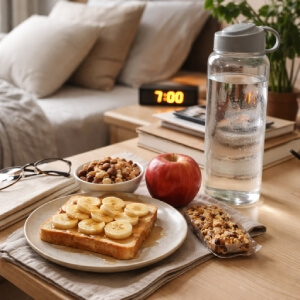
Besides, what a body needs above every other thing is sufficient sleep, water, and food for proper functioning. Stay out of these and all things will wane – the ability to concentrate, mood swings, or even simple chores and exercises seem an insult.
Sleep is the most powerful one. Aim for a consistent sleep and wake window, even on weekends. You don’t need a perfect eight hours every night, but your brain responds well to predictability. Cutting back on screens in the hour before bed genuinely helps – the light disrupts melatonin production, which makes falling asleep harder than it needs to be.
Hydration is easy to overlook when you’re rushing between classes. Carry a refillable water bottle and keep it visible on your desk. Out of sight really does mean out of mind.
Eating regularly matters too, especially on long study days. A simple breakfast – even just peanut butter toast or a banana with yogurt – stabilizes blood sugar and keeps your focus sharper through morning lectures. For longer stretches, keep a few go-to snacks on hand. Nuts, oat bars, and fruit travel well and don’t require a budget.
Make Movement and Stress Care Part of Your Routine
The body also gets involved in the GPA to an extent that it is only understood by some students. The regular exercise of research has been linked with better attention, retrieval of memory, and less anxiety. To achieve this, a student does not need a gym membership or a 5:00 wake-up call.
Small, cumulative habits pay big dividends. Walking between classes instead of riding the campus shuttle, stretching for ten minutes in the morning before opening your laptop to study; or doing a quick home-ec weight circuit in your dorm room, for example, these all add up. A 2022 study from the University of British Columbia recorded that even mere minutes of aerobic exercise improved students’ cognitive abilities within hours.
Stress management works the same way. Box breathing – inhale for four counts, hold for four, exhale for four – takes under two minutes and genuinely calms the nervous system. Spending fifteen minutes outside between study sessions helps more than most people expect. Journaling for five minutes before bed can stop racing thoughts from hijacking your sleep.
Use Simple Systems to Make Healthy Habits Stick
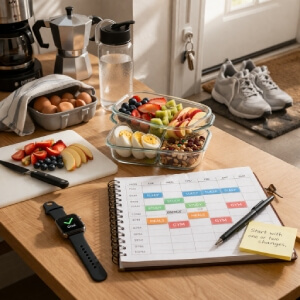
Willpower runs out fast, especially around week three of a packed semester. Systems are what actually carry you through.
Habit stacking is one of the simplest approaches: attach a new habit to something you already do reliably. Want to drink more water? Keep a bottle next to your coffee maker. Trying to move more? Put your gym shoes by the door the night before. When the cue is already built into your day, you don’t have to remember to start.
Meal prep doesn’t have to mean cooking for hours on Sunday. Cutting some fruit, boiling a few eggs, or portioning out trail mix takes twenty minutes and removes a dozen small decisions during the week. Same logic applies to a weekly planner. Block sleep, meals, and study time like appointments. Protect those blocks.
Recovery matters more than perfection. Miss two days of exercise or eat badly for a whole week? That’s normal. The students who build lasting habits aren’t the ones who never slip. They’re the ones who restart without drama, usually by going back to just one anchor habit until momentum returns.
Start with one or two changes, not ten. Small wins compound.
Small Habits Built Early Pay Off for Years
There’s no such thing as a perfect wellness routine. Craving one is sure to burn you out before mid-terms. It’s a bunch of repeated good behaviors which will actually push your health meter. This bunch probably includes decent sleep, regular movement, real food, and some time each day to set your mind back on track-your own habits you can afford to do early on. Students who start small and toss along at a steady pace soon realize that they’re holding less stress, are more energized, and face better with anxiety. Choose one habit today. Choose one habit and give a try to stick to it. Maybe you can worry about your exclusive night life, a brief walk between lessons, or a barter in for a little something of nutritional value rather than the vending machine. Start here and just grow it.
